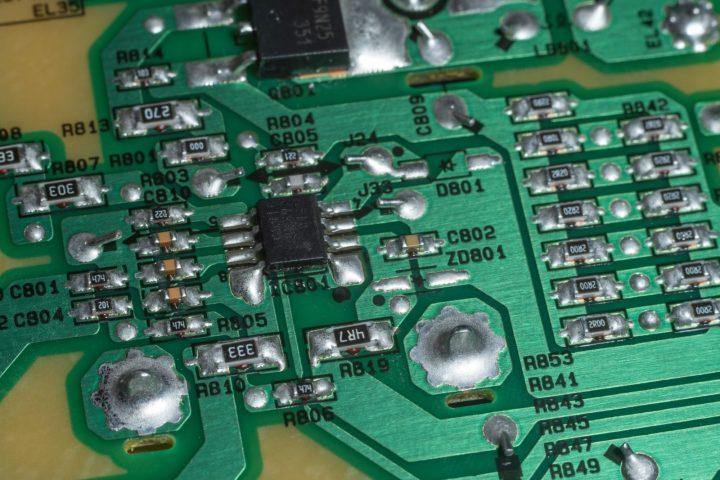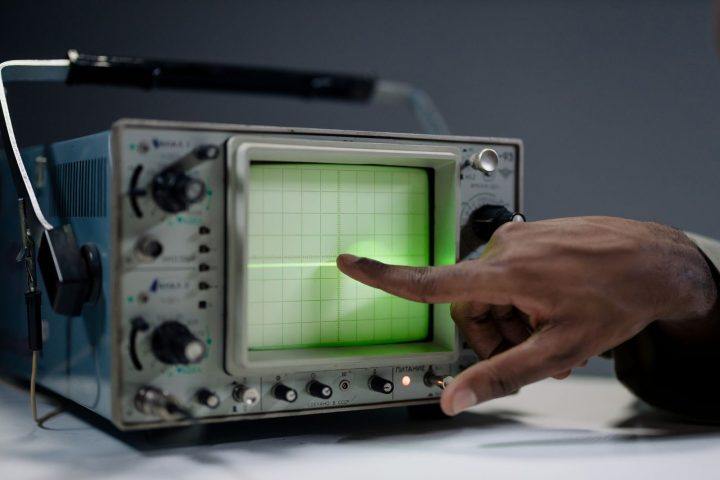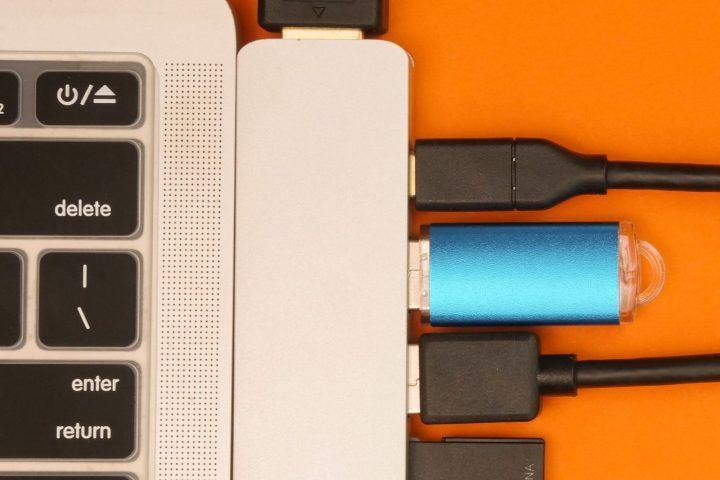
USB-C hub / EU
USB-C hub failed radiated emissions at the formal run
A pre-scan would have caught it. The fix took a ferrite and a shield redesign — the second formal run did not.

TMC LAB is a CNAS-accredited laboratory (L8364) for electrical safety, EMC, RF and chemical compliance — with the documentation behind CE, FCC and CB submissions.
Send the product and destination market. You get standards, samples, timeline and deliverables in one working day.
Four entry points into our testing, certification and accreditation support.
We work backwards from where you sell, then map the test evidence and documents your file needs.
CE: safety, EMC, RED and RoHS evidence with documentation guidance.
See the CE route →FCC Part 15 and FCC ID support, plus safety evidence for UL submissions.
See the FCC route →UKCA documentation built on existing test evidence, with a clear gap check.
See the UKCA route →From IT and lighting to appliances, automotive and industrial equipment — the accredited scope behind each service is stated on its page.
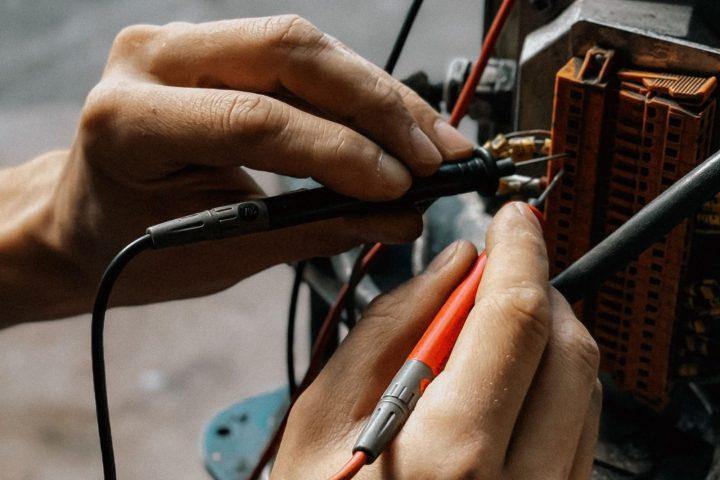
IEC 62368-1 and the IEC 60335 / 61010 families — the testing that decides whether a product can carry a safety mark…
View service →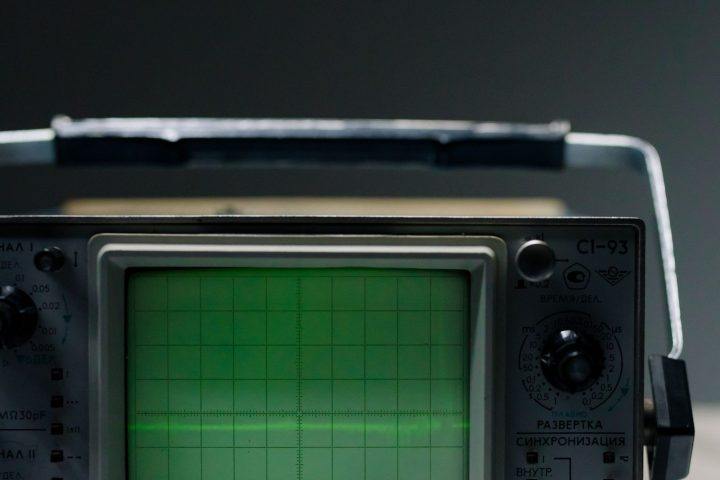
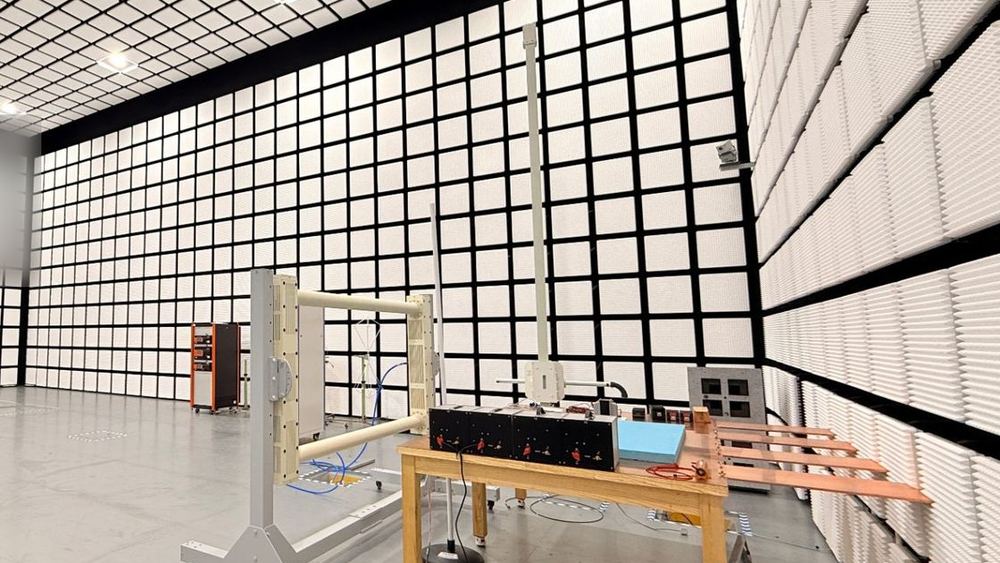
Emissions and immunity to CISPR and IEC 61000, run with a pre-scan first so a formal run is not the first time…
View service →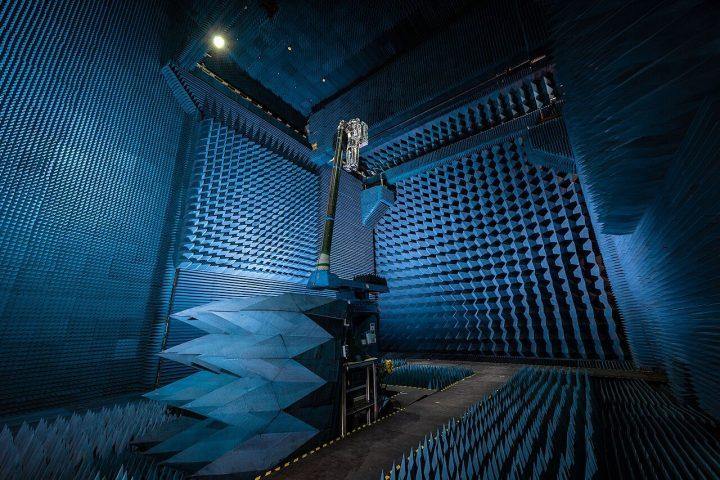
Radio performance and spectrum access for Wi-Fi, Bluetooth, BLE and 2.4 / 5 GHz modules, run against the limits of each market…
View service →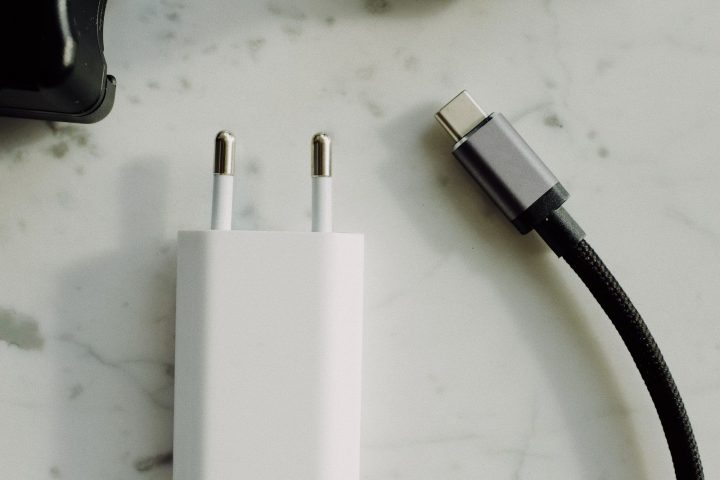
Safety, EMC and efficiency for external power supplies — where the EU ecodesign regulation and the US DoE rule pull in different…
View service →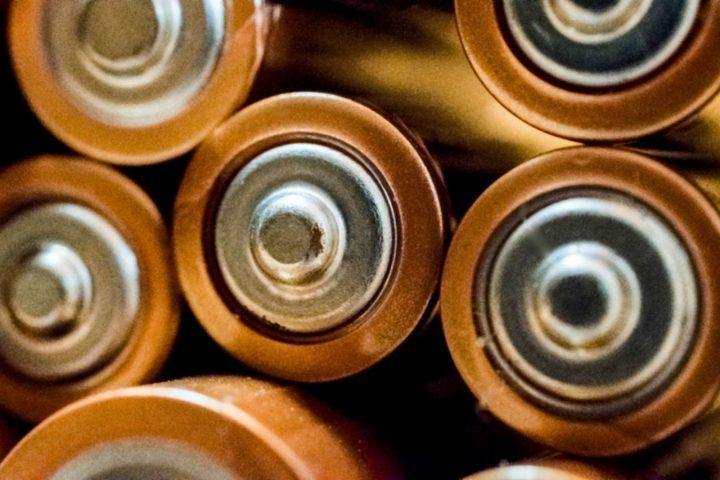
UN 38.3 for shipping and IEC 62133 for the product, which are two different tests that people routinely confuse.
View service →
The paperwork that actually gets a product through customs and onto a shelf: technical file, declaration of conformity, test summary.
View service →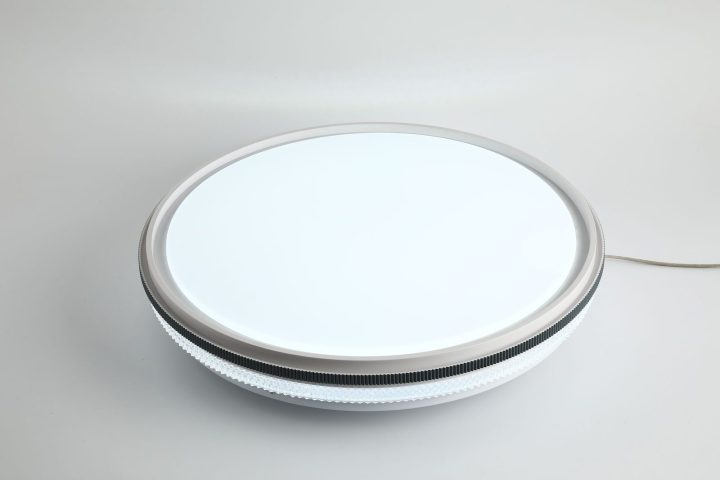
LED modules, control gear and luminaires — safety and EMC to IEC 61347, IEC 60598, CISPR 15 and the GB equivalents.
View service →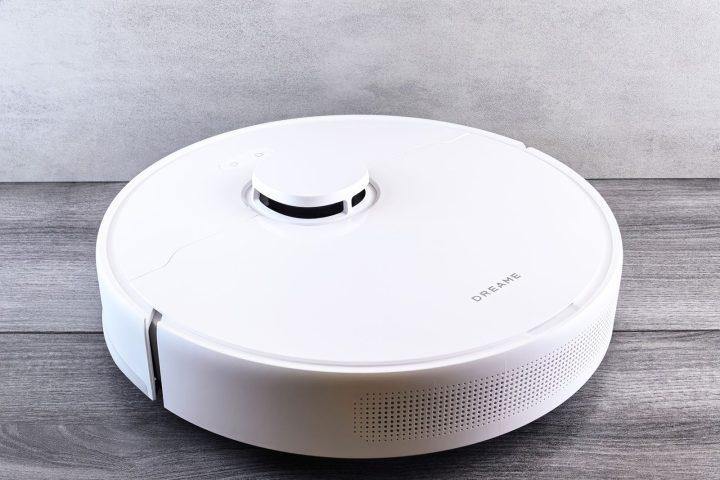
IEC 60335-1 and the part 2 family for kitchen, personal-care, heating, cleaning and air-treatment appliances, with CISPR 14 EMC.
View service →
Temperature, humidity, thermal shock, salt spray, UV and vibration to IEC 60068 and GB/T 2423 — evidence for how a product survives…
View service →Home displays nine services. See all testing services →
You always know what happens next, what we need from you, and when you get the file.
Product, target market and report purpose. A photo or model name is enough to start.
Standards, sample quantity, timeline and deliverables confirmed before samples move.
Testing under the accredited scope. If a run fails, you get data and a practical next step.
Report, findings and documents your buyer or regulator can review — not just a pass line.
A pre-scan would have caught it. The fix took a ferrite and a shield redesign — the second formal run did not.
Full-load efficiency was fine. The regulation measures at part load, and that is where the design lost its margin.
A pre-certified Wi-Fi module went into a new chassis with a different antenna position. The module grant did not cover what was shipped.
CNAS is our primary overseas trust anchor. Registration L8364 is valid 28 Sep 2024 – 27 Sep 2030, and the accredited scope can be checked independently.
It depends on the standard. EMC usually needs one representative production unit with its cables and accessories; safety often asks for one or two units plus dedicated samples for the abnormal tests. The written route lists the exact quantity per test before anything ships.
A pre-scan is usually arranged within the same week; a formal run follows the schedule in the written route. The published typical EMC turnaround on this page is 5–7 days, and your written route carries the binding dates for your scope.
You receive the failing frequencies or clauses, the margin data and a practical rectification proposal. Most first-run failures are fixable — a filter, a shield, a layout change — and the re-test only covers the affected items.
No. The samples, the product specification and the applicable standard are enough. We share photos and interim findings during the run, and the full report when it closes.
Yes. RF, EMC and safety for radio products run as one test plan — Wi-Fi, Bluetooth and cellular modules included — so the radio evidence and the host evidence stay consistent with each other.
For CE, the manufacturer declares conformity. Formal certification, where a scheme requires it, is performed by an authorised body. We provide testing and documentation support — we do not claim to issue the certificate ourselves.
More than 100 destinations through our accreditation and partner network: EU/EEA, UK, US, Canada, China, Japan, Korea, Australia and New Zealand, India, the Middle East and beyond. The certification overview page lists the routes with the issuing authority named for each.
Strictly, no: CE marking is the manufacturer's self-declared conformity, not a certificate issued by an authority. What makes it hold up is the evidence behind it — test reports to the harmonised standards and the technical file. Producing that evidence is our part.
One test package, many destinations. A CB report shortens national certifications in markets such as Saudi Arabia, South Africa and India, but every destination still adds its own national differences. We map those deviations per market.
Several do: CCC, the GS mark and NRTL follow-up service all include factory audits. We coach the line and the records beforehand and attend as support — the issuing body runs the inspection itself.
Accreditation supports international recognition through ILAC arrangements, but acceptance depends on the regulator or buyer. We confirm the specific requirement in your target market before you commit.
Registration L8364 is verifiable on the CNAS website, valid 28 Sep 2024 – 27 Sep 2030. The accredited scope is matched to your test item, and we send the scope extract together with the written route.
English as standard, Chinese on request. Overseas reviewers and certification bodies receive the English issue; reports carry the CNAS mark where the test item is inside the accredited scope.
Yes. A redacted sample report goes out with the written route, so you know exactly what your buyer or reviewer will receive before samples move.
Factual corrections, yes; a change of tested configuration, no. A different configuration is a new test, not an amendment — which is why the configuration is frozen and photographed before the run starts.
Send the product, the destination market and what the report is for — a photo or model name is enough. You get a written route with standards, sample quantity, timeline and deliverables in one working day.
Yes. Product data, photos and reports are used only for your project. An NDA is available before you send anything.
By courier to the laboratory. The delivery address, sample marking and customs description are confirmed when the route is issued, so samples clear customs without a hold.
Per the written route: scope, sample count and schedule sit in one document, and the fee follows that scope. A fee quoted before the scope is known is either padded or wrong.
Yes. Annual surveillance, production audits, pre-shipment inspection and re-testing after design changes run as a schedule rather than single orders.
Still unsure?
Send the product and destination market. An engineer replies with standards, samples and a schedule.

Scan to chat with a testing engineer directly.
Four fields, about 30 seconds. A work email is required — it is how the route and the report reach you. Phone is optional.
Thanks — that is in. An engineer replies within one working day. If it is urgent, write to cert@tmc-lab.com.